
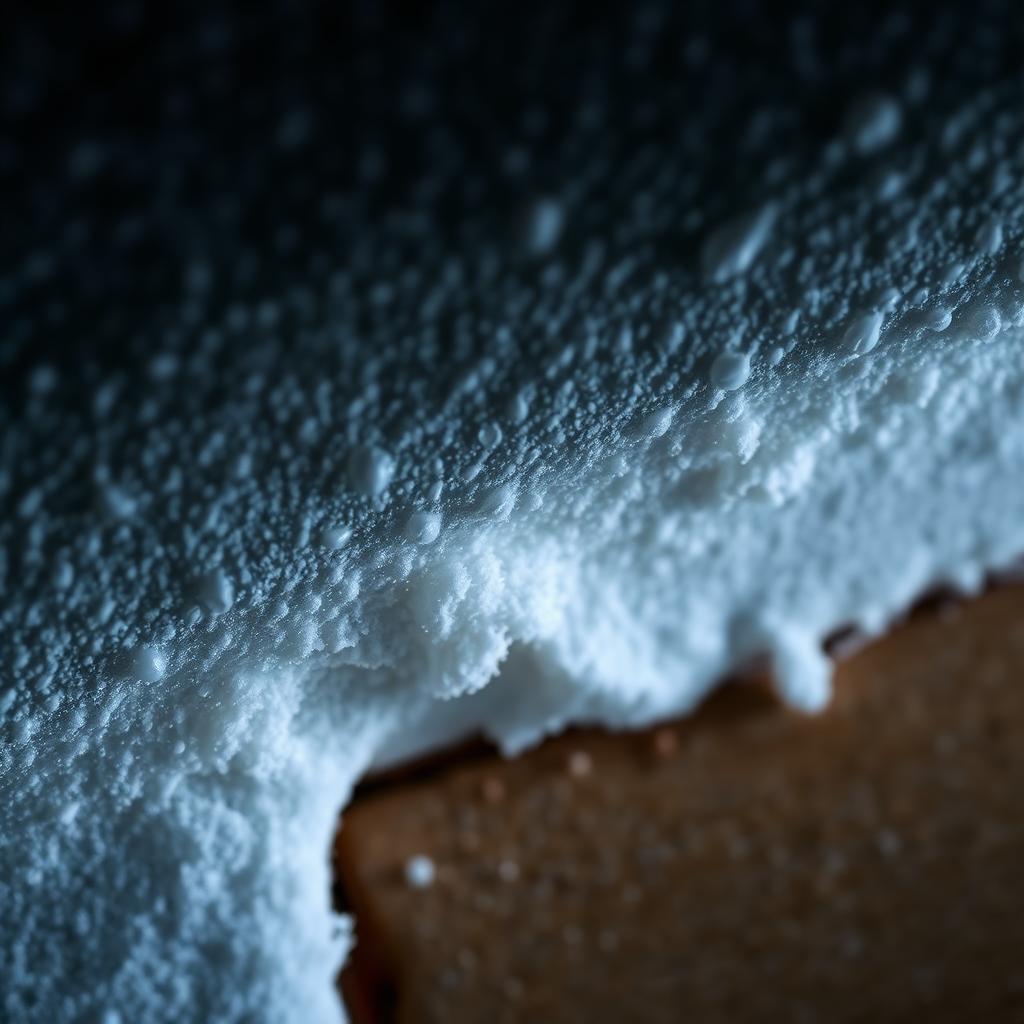
Mold and moisture damage are silent destroyers. They work behind your walls, under your floors, and above your ceilings — often going unnoticed until the damage is severe and the repair costs are significant. In South Texas, where humidity levels regularly exceed 80%, every home is at risk. Spray foam insulation is one of the most effective tools available to protect your home from moisture-related problems.
Why South Texas Homes Are Vulnerable
The combination of extreme heat and high humidity in South Texas creates a perfect storm for moisture problems. When hot, humid outdoor air meets the cool surfaces inside your air-conditioned home, condensation forms. This is the same process that makes a cold glass of water sweat on a summer day — except it's happening inside your walls.
Traditional insulation materials like fiberglass and cellulose do nothing to stop this moisture migration. In fact, they can make the problem worse. Fiberglass batts absorb moisture and hold it against wood framing, creating ideal conditions for mold growth. Wet cellulose insulation loses its insulating properties and can compress under its own weight, leaving gaps that allow even more moisture in.
How Moisture Leads to Mold
Mold needs three things to grow: moisture, warmth, and an organic food source. South Texas provides all three in abundance. The moisture comes from humidity and condensation. The warmth is constant for most of the year. And the food source? That's the wood framing, drywall paper, and other organic materials that make up your home's structure.
Once mold takes hold, it spreads quickly. A small patch of mold behind a wall can grow into a major infestation within weeks. By the time you notice musty odors or visible mold spots, the problem is often far worse than what you can see. Mold remediation is expensive — often $5,000 to $30,000 or more for serious infestations — and it doesn't solve the underlying moisture problem that caused the mold in the first place.
Spray Foam: A Two-Layer Defense
Spray foam insulation attacks the moisture problem on two fronts simultaneously, which is why it's so effective at preventing mold and moisture damage.
Air Barrier: The first line of defense is spray foam's airtight seal. By eliminating air infiltration, spray foam prevents humid outdoor air from entering your wall cavities in the first place. No humid air inside the walls means no condensation on cool surfaces. This alone eliminates the majority of moisture problems in South Texas homes.
Vapor Barrier: Closed cell spray foam goes a step further by acting as a vapor barrier. Even without air movement, moisture can migrate through materials via diffusion — a process where water vapor moves from areas of high humidity to low humidity. Closed cell foam's tightly packed cell structure blocks this vapor diffusion, providing a second layer of moisture protection.
Common Problem Areas in South Texas Homes
Attics: Your attic is ground zero for moisture problems. Hot, humid air rises and accumulates in the attic space, where it condenses on cooler surfaces. Spray foam applied to the underside of the roof deck creates a conditioned attic space that eliminates this condensation entirely.
Crawl Spaces: If your home has a crawl space, ground moisture constantly evaporates upward into the floor structure. Closed cell spray foam on the crawl space walls and floor creates a moisture-proof encapsulation that keeps ground moisture where it belongs — in the ground.
Exterior Walls: The wall cavities of your home are where condensation most commonly occurs. Spray foam fills these cavities completely, eliminating the air gaps where condensation forms and preventing humid air from reaching cool interior surfaces.
Bathrooms and Kitchens: These high-moisture areas benefit especially from spray foam insulation in adjacent walls. The air and vapor barrier prevents moisture generated inside these rooms from migrating into wall cavities and causing hidden damage.
The Health Benefits of Mold Prevention
Mold isn't just a structural problem — it's a health hazard. Mold spores can trigger allergic reactions, asthma attacks, respiratory infections, and other health issues. Children, elderly individuals, and people with compromised immune systems are particularly vulnerable. By preventing the conditions that allow mold to grow, spray foam insulation contributes to a healthier indoor environment for your entire family.
Many of our customers report that allergy and respiratory symptoms improve noticeably after upgrading to spray foam insulation. While insulation isn't a medical treatment, eliminating hidden mold and reducing indoor humidity levels can make a real difference in how you feel at home.
Don't Wait for Visible Damage
The worst thing about moisture and mold problems is that they're usually well advanced before you see any signs. By the time you notice a musty smell, a discolored wall, or peeling paint, significant damage has already occurred behind the scenes. The smartest approach is prevention — and spray foam insulation is the most effective preventive measure available.
At DTF Spray Foam, we've helped hundreds of South Texas homeowners protect their homes from moisture damage and mold. Whether you're building new, renovating, or upgrading existing insulation, we'll design a spray foam solution that keeps your home dry, comfortable, and healthy. Contact us today for a free estimate and take the first step toward a moisture-free home.
Ready for a Free Estimate?
Contact DTF Spray Foam today — South Texas' most trusted insulation experts.