
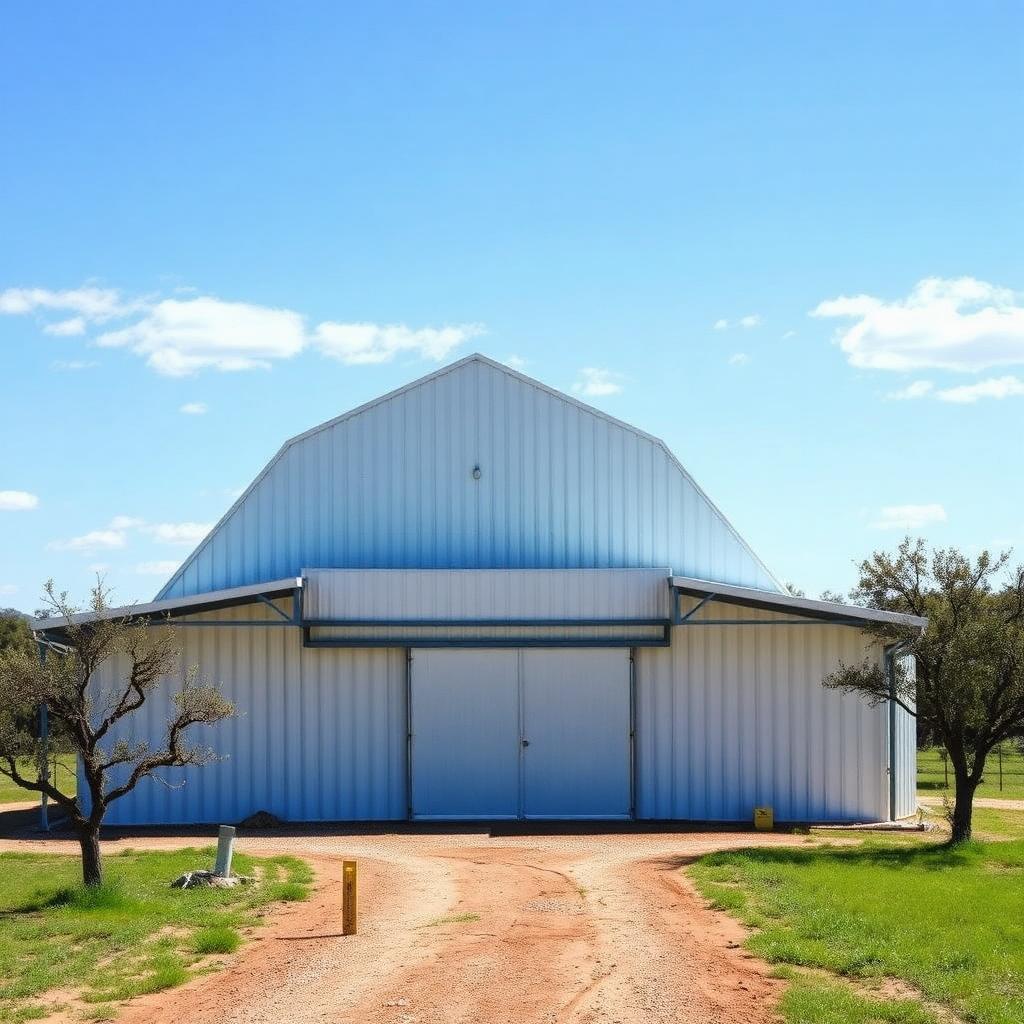
Metal buildings are everywhere in South Texas — from agricultural barns and workshops to the increasingly popular barndominium homes. They're durable, affordable, and quick to build. But without proper insulation, a metal building can become an oven in summer and a refrigerator in winter. Spray foam insulation solves this problem better than any other material on the market.
The Unique Challenges of Metal Buildings
Metal is an excellent conductor of heat. While that's great for cookware, it's terrible for buildings. A bare metal roof in South Texas can reach surface temperatures of 150°F or higher on a summer afternoon. That heat radiates directly into the interior, making the space unbearable without massive — and expensive — air conditioning.
Metal buildings also face a serious condensation problem. When warm, humid South Texas air contacts the cooler interior surface of metal panels, moisture condenses on the metal. Over time, this condensation leads to rust, corrosion, dripping water, mold growth, and damage to anything stored inside. Traditional insulation methods like fiberglass batts draped under purlins leave gaps and don't address the condensation issue effectively.
Why Spray Foam Is the Best Solution
Complete Air Seal: Spray foam expands to fill every gap, seam, and joint in a metal building's envelope. Unlike fiberglass batts that leave gaps at overlaps, fasteners, and transitions, spray foam creates a continuous, airtight barrier. This eliminates the air infiltration that drives up cooling costs and brings in humid air.
Condensation Prevention: When closed cell spray foam is applied directly to the interior surface of metal panels, it eliminates the temperature differential that causes condensation. The metal surface stays warm because it's insulated from the cooler interior air. No temperature differential means no condensation, no dripping, and no corrosion.
Superior R-Value in Limited Space: Metal building wall cavities are often shallower than traditional wood-frame construction. Closed cell spray foam delivers R-6.5 per inch, meaning you can achieve R-19 or better in just 3 inches of depth. Fiberglass would need nearly twice the thickness to match that performance — and it still wouldn't stop air leakage.
Structural Reinforcement: Closed cell spray foam bonds directly to the metal panels and structural members, adding rigidity to the building. This can improve wind resistance and reduce panel vibration and noise during storms — a real benefit in South Texas where severe weather is a regular occurrence.
Barndominiums: A Special Case
Barndominiums — hybrid metal buildings that combine living space with workshop or storage areas — have exploded in popularity across South Texas. These structures present unique insulation challenges because they need to be comfortable enough to live in while maintaining the utility of a metal building.
For barndominium living areas, we typically recommend closed cell spray foam on all exterior walls and the roofline. This creates a fully conditioned envelope that performs just as well as — or better than — a traditional stick-built home. The result is a comfortable, energy-efficient living space that stays cool in summer and warm in winter.
For the shop or storage side of a barndominium, the insulation needs may be different. Some owners want full climate control; others just want to take the edge off the heat. We'll work with you to design an insulation plan that matches how you use each part of the building.
Pole Barns and Agricultural Buildings
Pole barns and agricultural structures throughout Medina, Atascosa, Frio, and Wilson counties benefit enormously from spray foam insulation. Whether you're storing equipment, housing livestock, or using the space as a workshop, spray foam keeps temperatures manageable and prevents the moisture damage that plagues uninsulated metal buildings.
For livestock buildings, spray foam insulation helps maintain stable temperatures that keep animals healthier and more productive. For equipment storage, it prevents the condensation that causes rust and corrosion on expensive machinery.
The Installation Process for Metal Buildings
Installing spray foam in a metal building is straightforward but requires experienced technicians. The foam is sprayed directly onto the interior surface of the metal panels, where it adheres, expands, and cures within seconds. A typical metal building can be fully insulated in one to two days depending on size.
The key to a successful metal building installation is proper preparation. All surfaces must be clean and dry, and any existing insulation or vapor barriers should be evaluated before spraying. At DTF Spray Foam, we've insulated hundreds of metal buildings across South Texas, and we know exactly how to handle the unique requirements of these structures.
Get a Free Estimate for Your Metal Building
Whether you're building a new metal structure, converting a building into a barndominium, or upgrading the insulation in an existing metal building, DTF Spray Foam has the experience and expertise to get the job done right. Contact us today for a free, no-obligation estimate. We'll assess your building, discuss your needs, and recommend the most effective insulation solution for your project.
Ready for a Free Estimate?
Contact DTF Spray Foam today — South Texas' most trusted insulation experts.